
Welcome to the Nuzhdin Lab!
The Nuzhdin lab employs molecular biology and bioinformatic techniques to better understand the interactions between genotype and phenotype across a wide range of organisms. Currently, we are broadly interested in how these techniques can be applied to aquaculture in Southern California, specifically with seaweed and bivalves. Our research is conducted not only in a traditional molecular biology lab at Ray R. Irani Hall but also at our sustainable seaweed aquaculture facility down at AltaSea in San Pedro.
Lab Photos!
USC UPC Laboratory
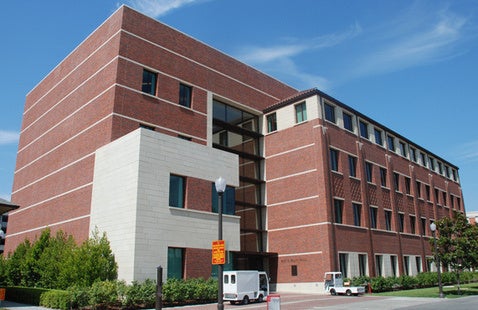
Housed in Ray R. Irani Hall, the molecular biology lab is a traditional lab space for processing many of our biological samples and houses our gametophytes (baby kelps!). We are located in room 316 and are equipped with a flow hood, biological safety cabinet, temperature-controlled incubators with light, and other common molecular biology tools.
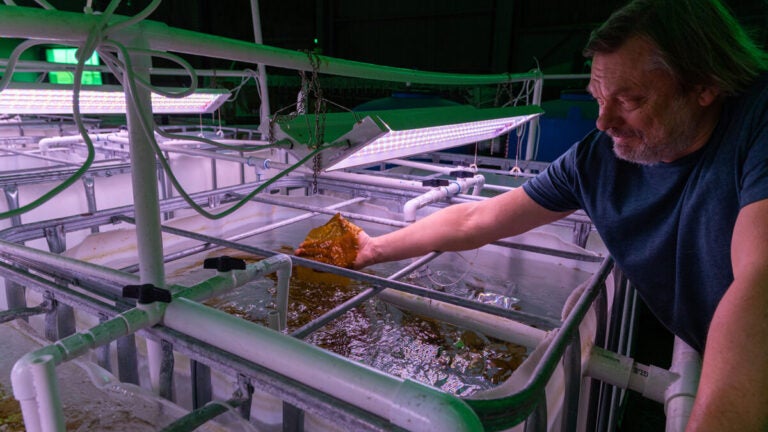
AltaSea Aquaculture Facility
Located in the Port of San Pedro, we operate an off-campus aquaculture facility to grow giant kelp, mussels, and urchins. The facility is housed within the AltaSea campus in Berth 59 and is capable of having up to 16 thousand gallons of filtered seawater running at a time.
Website by Marcus Lin
Contact Us
USC Laboratory (MBIO)
Ray R. Irani Hall Room 316
1050 Childs Way
Los Angeles CA 90089
USC Aquaculture Facility (AltaSea)
AltaSea at the Port of Los Angeles
2451 Signal Street Berth 59
San Pedro, CA 90731